
Your Home Inspection Coverage Guide: What Home Inspections Typically Include
Buying or owning a home is a big deal. One of the smartest steps you can take is to get a thorough home inspection. It’s like a health checkup for your house. When I first learned about home inspections, I realized how much they reveal about a property’s condition. Knowing what to expect can make the process less stressful and more empowering. Let’s dive into what a typical home inspection covers and why it matters.
Understanding Your Home Inspection Coverage Guide
A home inspection is a detailed examination of a house’s major systems and components. The goal is to identify any existing problems or potential issues that could affect safety, comfort, or value. When I talk about a home inspection coverage guide, I’m referring to the common areas and items inspectors focus on during their visit.
Here’s a quick overview of the main parts of a home that usually get inspected:
Structural elements like the foundation, walls, and roof
Exterior components including siding, windows, and doors
Roofing system condition and drainage
Plumbing system including pipes, fixtures, and water heaters
Electrical system such as wiring, outlets, and panels
Heating, ventilation, and air conditioning (HVAC)
Interior rooms including floors, walls, ceilings, and stairs
Insulation and ventilation in attics and crawl spaces
Fireplaces and chimneys
Each of these areas is checked carefully to spot any signs of damage, wear, or safety hazards. If you want to learn more about what does a home inspection cover, this guide will give you a solid foundation.

What Does a Home Inspector Look For?
When I watch a home inspector at work, I notice how methodical they are. They don’t just glance around; they test, probe, and observe closely. Here’s a breakdown of what they typically look for in each major area:
Structural Integrity
The foundation is the backbone of any home. Inspectors check for cracks, shifts, or signs of water damage. Walls and ceilings are examined for cracks or bulges that might indicate structural problems. The roof is inspected for missing shingles, leaks, or sagging areas.
Exterior Condition
The siding, trim, and paint are checked for rot, damage, or pest infestations. Windows and doors are tested to ensure they open, close, and seal properly. Gutters and downspouts are inspected to confirm they direct water away from the house effectively.
Plumbing System
Inspectors look for leaks, corrosion, and water pressure issues. They check the condition of pipes, faucets, toilets, and water heaters. Drainage and sewer lines may also be evaluated to prevent future problems.
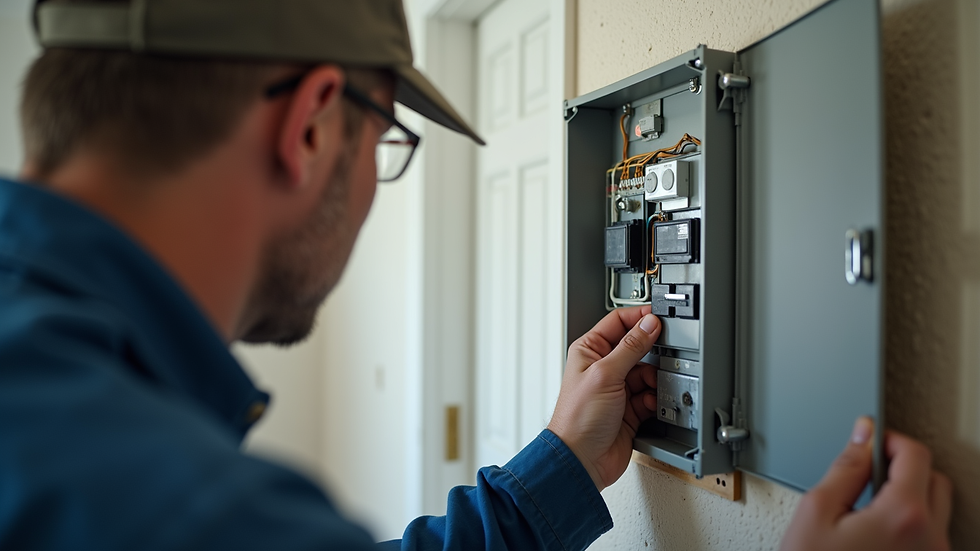
Electrical System
Safety is key here. Inspectors test outlets, switches, and circuit breakers. They look for outdated wiring, overloaded circuits, or improper installations that could pose fire risks.
HVAC Systems
Heating and cooling units are tested for functionality and efficiency. Inspectors check filters, ductwork, and thermostats to ensure the system is working well and safely.
Interior Rooms
Floors, walls, and ceilings are examined for damage or signs of moisture. Stairs and railings are checked for stability. Inspectors also look for signs of mold or pest infestations.
Insulation and Ventilation
Proper insulation helps with energy efficiency. Inspectors check attics and crawl spaces for adequate insulation and ventilation to prevent moisture buildup and mold growth.
Fireplaces and Chimneys
These are inspected for cracks, blockages, or creosote buildup that could cause fires or carbon monoxide hazards.
What are the Biggest Red Flags in a Home Inspection?
Some issues are more serious than others. When I review inspection reports, certain red flags stand out because they can lead to costly repairs or safety concerns. Here are some of the biggest red flags to watch for:
Foundation problems such as large cracks or uneven settling
Roof damage including leaks or missing shingles
Water damage or mold inside walls, ceilings, or basements
Outdated or faulty electrical wiring that could cause fires
Plumbing leaks or sewer line issues
HVAC systems that don’t work or are very old
Pest infestations like termites or rodents
Poor drainage around the home leading to water pooling near the foundation
If you spot any of these during your inspection, it’s important to get estimates for repairs and factor those costs into your decision-making. Sometimes, these issues can be negotiated with the seller or addressed before moving in.
How to Prepare for Your Home Inspection
Preparing for a home inspection can help you get the most out of it. Here are some tips I’ve found useful:
Be present during the inspection if possible. This lets you ask questions and see issues firsthand.
Make a checklist of concerns you want the inspector to focus on.
Clear access to key areas like the attic, basement, and electrical panels.
Gather any previous inspection reports or repair records for the home.
Take notes and photos during the inspection to review later.
Being proactive helps you understand the home’s condition better and plan for any necessary repairs or maintenance.
Why a Comprehensive Home Inspection Matters
A thorough home inspection is more than just a formality. It’s a powerful tool that helps you:
Avoid unexpected repair costs
Ensure your family’s safety
Negotiate better terms or price
Plan for future maintenance
Gain peace of mind about your investment
When I think about the value of a home inspection, it’s clear that it’s an essential step whether you’re buying a new home or maintaining your current one. It’s about protecting your investment and creating a safe, comfortable living space.
Taking the time to understand what a home inspection typically includes can make a big difference in your homeownership journey. If you want a trusted, detailed inspection in Rialto, CA, consider working with professionals who care about your home’s health as much as you do. A good inspection is the first step toward a happy, secure home.


Comments